Can My GP Refer Me To a Private Hospital?
This guide explains how GP referral letters work in UK healthcare. The guide explains all the different scenarios of medical referral letters. When people need it, how it helps, and what’s the quickest route to get one. The guide explains what an ideal referral letter should include and how it helps ease your treatment process. The guide concludes with a few commonly asked questions that people have in mind.
Get Quick Referral Letters With Private GP Surgery
Instead of waiting days/weeks to see your NHS GP just to get a referral letter, you book with Private GP Surgery and we:
- Assess what’s going on now
- Decide the correct specialty
- Write a referral letter
- Include the key details that insurers and GPs usually need
Introduction
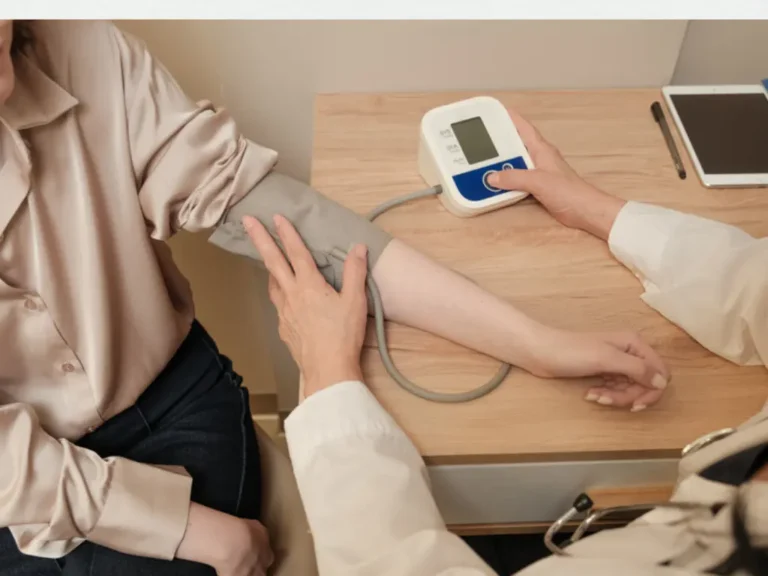
Yes. Your GP can refer you to a private hospital. NHS protocols advise that if a patient needs to see a private specialist, their GP should offer them a referral letter.
This guide will help you find the optimal route that gets you seen faster and avoid irrelevant steps that eat up your time. Let’s get to the details and find out everything about a GP referring to a private hospital.
GP Referral Letter Requirements for Private Specialists and Hospitals
A GP referral letter clearly states the specialty the patient needs, explains the patient’s condition, along with GPs suitable advice. It also contains the patient’s previous meds, allergies, and key history.
Private clinics often ask for referral letters because they want the right clinical information before the appointment, not after you’ve paid for it. That’s the precise answer to your question, “Why do private hospitals want GP referral letters?”
Can I Go To a Private Hospital Without GP referral?
Yes. You can go to a private hospital without a GP referral. In case of mild symptoms and occasional diseases like viruses and flu, your private GP doesn’t need to know your medical background in detail. They just need to know if you have any long-term treatment going on, so they can medicate you accordingly.
But here’s the part most people don’t know, skipping a referral is only faster if you’re already certain about the exact specialty and the exact question.
Here’s When Self-Referral Works Well
- One clear problem, one obvious specialty (e.g., suspected hernia, you need general surgery).
- You already have relevant results (imaging, bloods, discharge letters).
- You’re booking a single diagnostic test that accepts self-referral.
Here’s When Self-Referral Wastes Money
- Symptoms could belong to multiple specialties
- You’ll use insurance (and they’ll ask for a GP referral anyway)
How Does Insurance Work With Referral Letters?
If you’re using private medical insurance, most insurance companies would want a GP referral before authorising your treatment.
This ties directly into why do private hospitals want GP referral letters: it’s often part of the documentation chain insurers expect before they approve specialist care, and the next steps.
Here’s a quick tip: don’t just get a referral. Get a referral that matches what insurers and consultants need (clear symptom summary, timeline, exam highlights, and what’s being asked of the specialist)
Can a Private GP Refer To An NHS Hospital?
Yes, a private GP can refer to an NHS hospital when it’s appropriate, and you’re eligible for an NHS referral. The BMA explicitly states that private providers can make onward referrals to NHS services without sending you back to your NHS GP, and patients should be treated based on clinical need.
This matters because a lot of people use private care for:
- speed
- speed of initial diagnostics
- clarity of plan
The 3 Referral Routes
Route 1: NHS GP to Private Hospital
Use this when:
- You want a private specialist consultation with strong continuity
- You might need insurer approval
- You want your GP to frame the question properly
Route 2: Direct booking
Use this when:
- The specialty is obvious
- The appointment is low in ambiguity
- You’re not relying on insurer rules
Route 3: Private GP to NHS hospital
Use this when:
- Symptoms require NHS assistance
- You need a structured referral
- You want to avoid being bounced back to primary care unnecessarily
What a Good GP Referral Letter Looks Like
Most referral letters lack the specifics needed for a consultant or service to accept them confidently.
A referral that works includes the following
- The question (what you want the specialist to answer)
- Timeline (when it started, how it changed, what triggers it)
- Key positives (the details that support the suspected diagnosis)
- Key negatives (red flags checked and whether present/absent)
- What’s already been tried (and response)
- Relevant history only (what changes specialist decisions)
- Medication + allergies (with reactions)
- Existing results with dates (so you don’t repeat tests)
- Fit-for-pathway urgency (routine vs urgent and why)
People Also Search For
People Also Ask for
Conclusion
The real advantage comes from using the referral process correctly. The right referral letter doesn’t just get you in. It eases your treatment process as these letters include the necessary information your specialist will need.
Every patient has a different situation, so make sure you take the route that’s easiest, quick and cost-effective for you.